
This article is part of The Horn Dispatch’s News Analysis Series, created to help our community understand the news, the context behind it, and why it matters.
To hear an Afaan Borana translation of this English-language article, click on the following link (start at 0:40): https://youtu.be/WHcbzfRYvI4
To hear an Masara translation of this English-language article, click on the following link (start at 0:45): https://youtu.be/WHcbzfRYvI4
A. Topic
The United States eliminated continuous measles spread in 2000, but the disease has returned in part because vaccination rates have fallen and vaccine skepticism has led some families to delay or skip routine MMR vaccines.
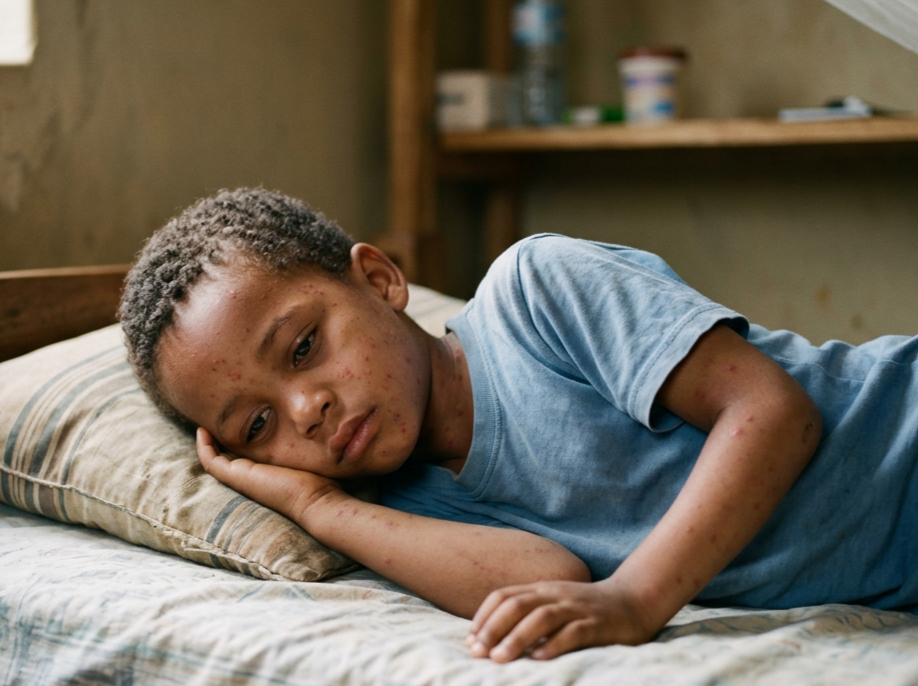
Measles is a highly contagious virus that spreads through the air and can cause fever, cough, rash, and serious health problems.
The current measles resurgence did not begin in Pennsylvania. In early 2025, a major outbreak spread through West Texas and nearby states. Two children in Texas died—the first measles death reported in the United States in about a decade, followed weeks later by a second death.
The outbreak was eventually brought under control in Texas, but measles cases and new outbreaks continued across the country. By 2026, Pennsylvania was facing its own major outbreak. In August, the state reported two measles-associated deaths in Lancaster County—the first deaths linked to measles in Pennsylvania in 35 years.
B. Location Context
The two deaths involved people who lived in Lancaster County, Pennsylvania. (Update Sept 21, 2026: at least 2 additional deaths, so 4+ deaths.) The announcement came during a much larger measles outbreak across the United States. As of August 20, 2026, the CDC had reported 2,777 confirmed cases nationwide, and most were connected to larger outbreaks.
The deaths happened in Pennsylvania, but the concern goes beyond one state. Measles can enter the United States through travel and spread quickly, especially in communities where fewer people are protected against the disease.
C. Agreed-Upon Facts
On August 25, 2026, the Pennsylvania Department of Health reported two measles-associated deaths—the state’s first in 35 years.
On September 15, health officials confirmed two additional deaths, bringing Pennsylvania’s 2026 total to four. All four individuals were reported as unvaccinated.
These were Pennsylvania’s first measles-linked deaths in 35 years and the first reported in the United States in 2026.
As of August 20, 2026 the CDC had reported 2,777 confirmed measles cases in the United States. About 94% were connected to larger outbreaks.
Measles spreads through the air. The virus can stay in the air for up to two hours after an infected person leaves the area.
Among people who are not protected against measles, as many as 9 out of 10 people who have close contact with an infected person may also become infected.
The CDC says one dose of the MMR vaccine is about 93% effective against measles. Two doses are about 97% effective.
Measles can cause serious health problems, including pneumonia, brain swelling, hospitalization, pregnancy complications, and death. Babies and young children are at greater risk.
Measles has already reached San Diego County, where local cases were confirmed earlier this year.
Over the weekend of September 18–20, 2026, California health officials warned that an unvaccinated person with measles had traveled across the state on Amtrak trains and connecting buses. Passengers in six California counties may have been exposed. The reported route did not include San Diego County, but the incident shows how easily measles can move from one community to another through normal travel.
D. Speculated or Developing Facts
Pennsylvania health officials use the term “measles-associated deaths” for deaths that meet the state’s medical and laboratory criteria. As of September 18, 2026, Pennsylvania had reported 767 confirmed measles cases, 150 hospitalizations, and four confirmed measles-associated deaths. State health officials reported that all four people who died were unvaccinated.
Questions have been raised publicly about the exact medical cause of death in some of the earlier cases, creating a dispute over how those individual deaths should be classified. That case-specific dispute should be kept separate from the broader facts: Pennsylvania is experiencing a major measles outbreak, hundreds of people have been infected, and measles is well established as an illness that can cause serious complications and, in rare cases, death.
The numbers are also changing quickly as new infections are confirmed. Case, hospitalization, and death totals in this article reflect the most recent information available at the time of publication and should be checked against the Pennsylvania Department of Health and CDC dashboards immediately before publication.
E. How This Is Being Covered
Democratic / public-health framing:
This view focuses on deaths that could have been prevented, falling trust in routine vaccines, and the need for clear public-health leadership. It also presents vaccination as a way to protect the wider community, especially babies and people who cannot receive certain vaccines.
Republican / skeptical framing:
This view is more mixed. Some conservatives support vaccination but also emphasize local control and personal choice. Others call for more transparency about how deaths are classified, how vaccine recommendations are made, and how government health agencies communicate with the public.
Independent / non-aligned framing:
This approach focuses on what can be confirmed: the number of cases, vaccination status, how measles spreads, hospitalizations, and how deaths are classified. It also pays attention to the difference between saying someone died from measles and saying a death was associated with measles.
F. Lessons for Our Communities
Measles was eliminated from continuous spread in the United States in 2000. For many years, cases remained relatively low:
2010: 63 cases
2016: 86 cases
2020: 13 cases
2024: 285 cases
2025: 2,289 cases
2026: 3,471 confirmed cases as of September 17, 2026 — the latest CDC count available as of September 20.
The lesson is clear: measles can come back when vaccination rates fall and vaccine skepticism grows.
Measles did not return because the vaccine stopped working. It returned because fewer people are protected.
One major reason is growing skepticism about vaccines. There is nothing wrong with asking questions. Families should know what they are putting into their bodies and their children’s bodies. But skepticism should be rational and based on evidence—not fear, rumors, politics, or something frightening heard on social media.
There is a difference between asking careful questions and rejecting decades of medical evidence because of claims made by politicians, pundits, social-media personalities, or people who have built their public reputation around opposing vaccines.
For our families, the practical advice is simple: continue doing what families have done for generations since coming to this country. Take your children to their regular doctors and pediatricians. Make sure they receive the vaccines their doctors recommend. Families should rely on qualified, mainstream medical professionals who follow established medical guidance—not practitioners known primarily for promoting vaccine skepticism or unsupported claims.
Ask your doctor questions. Understand what your child is receiving. Check your family’s vaccination records, especially before international travel. But make medical decisions with qualified doctors and reliable medical evidence.
If someone may have been exposed to measles or develops symptoms, call a medical clinic before arriving so the clinic can tell you what to do.
Ask questions. Be informed. But do not let fear replace evidence. Vaccination helped eliminate continuous measles spread in the United States once, and keeping families vaccinated is one of the most important ways to keep them protected.
Medical Disclaimer: This article is for general information only and is not medical advice. Readers should speak with a doctor or other qualified health professional about any medical questions, symptoms, vaccines, or treatment decisions.